

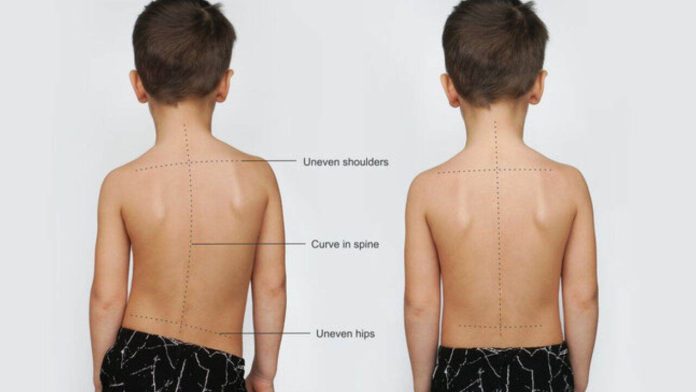


Scoliosis is a side-to-side curve of your spine. This differs from your body’s natural front-to-front curve. It is usually mil and doesn’t cause any symptoms, but it can lead to back pain and abnormal posture. A healthcare provider most often diagnoses this condition during adolescence.
Either way, it makes sense that you understand what scoliosis is all about. Well, there are three types of scoliosis; they include idiopathic scoliosis, congenital scoliosis, and neuromuscular scoliosis.
Idiopathic scoliosis is the most common type that people have to contend with. ‘Idiopathic’ means the cause is unknown. Research does indicate that it runs in families and has a genetic link.
Congenital scoliosis, on the other hand, is a rare spine abnormality that a healthcare provider may detect at birth. It occurs when vertebrae don’t form as they should during embryonic development.
As for neuromuscular scoliosis, they are as a result of abnormalities in the muscles and nerves that support your spine. It usually happens alongside neurological or muscular conditions like an injury, cerebral palsy, spina bifida or muscular dystrophy.
Your may hear your healthcare practitioner refer to scoliosis diagnosed during adulthood as an adult-onset scoliosis or degenerative scoliosis. You may have had mild, undiagnosed scoliosis through your life.
It is worth mentioning that symptoms can increase or appear as your body ages, which results in a late diagnosis. Specifically, adult-onsetscoliosis happens when your disks and joints weaken or you lose bone density.
So, what are the common symptoms of scoliosis? As mentioned earlier, scoliosis usually doesn’t cause symptoms, but they may include; back pain, difficult standing upright, core muscle weakness, and leg pain, numbness or weakness.
That leaves many wondering about the signs of scoliosis. They include uneven shoulders, should blades that stick out, head that doesn’t center above your pelvis, uneven wait, elevated hips, constant leaning to one side, and uneven leg length. If you notice any of these signs, be sure to contact a healthcare provider for a screening.
Over time, you may notice; height loss and uneven alignment of your pelvis and hips. Remember, scoliosis can affect any part of your spine. There are some differences according to age.
As we conclude, you should keep in mind that you’re more likely to develop scoliosis if someone in your biological family has the condition. However, not all cases of scoliosis are genetic as it may appear at first.