



The film and television industry is entering one of its most transformative phases in decades, as artificial intelligence rapidly reshapes how content is created, produced, and consumed. What was once considered a futuristic concept has now become a real and controversial force, sparking intense debates across Hollywood, global studios, and creative communities worldwide.
At the center of this shift is the growing use of AI-generated content in filmmaking. From scriptwriting and visual effects to full-scale video generation, AI tools are now capable of producing high-quality scenes with minimal human intervention. New-generation platforms such as advanced video generators have demonstrated the ability to create realistic cinematic sequences in seconds, raising serious questions about the future of traditional production workflows.
This rapid advancement has created a divide within the industry. On one hand, studios and tech companies see AI as a powerful tool to reduce costs and accelerate production timelines. AI is already being used extensively in post-production, editing, and pre-visualization, enabling filmmakers to experiment with scenes and ideas faster than ever before.
On the other hand, many actors, writers, and creators fear that this technology could replace human creativity altogether. The rise of AI-generated characters such as Tilly Norwood has intensified these concerns. Designed entirely by artificial intelligence, such digital personalities have sparked backlash from industry unions, who argue that they threaten jobs and devalue human artistry.
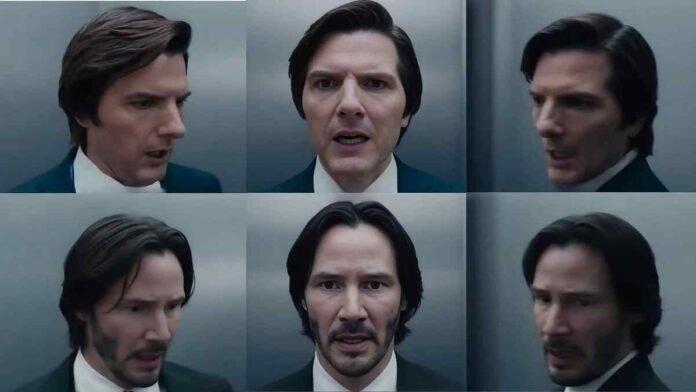
The controversy has been further amplified by viral AI-generated videos that mimic real actors. A recent example featuring hyper-realistic versions of Hollywood stars performing action scenes created widespread alarm, with some industry professionals warning that anyone with minimal resources could soon produce studio-quality films.
Beyond job security, the debate also revolves around authenticity. As AI-generated content becomes increasingly realistic, audiences may find it difficult to distinguish between human-created and machine-generated media. This has led to the emergence of initiatives like the “No AI Used” certification, which aims to label films based on the extent of human involvement.
Legal and ethical challenges are also becoming more prominent. Governments and industry bodies are now grappling with issues such as copyright, intellectual property, and consent. Many creators argue that AI systems are being trained on existing films, scripts, and performances without proper authorization, leading to calls for stricter regulations and compensation models.
At the same time, real-world incidents involving deepfake content have added urgency to the debate. Cases of AI-generated misuse, including non-consensual digital content, have triggered public outrage and pushed governments to consider new laws aimed at protecting individuals from digital manipulation.
Despite these concerns, it is clear that AI is not going away. Instead, the industry is gradually moving toward a hybrid model where human creativity and machine efficiency coexist. Many filmmakers and studios are exploring ways to use AI as a supportive tool rather than a replacement, enhancing storytelling while preserving the emotional depth that only human creators can provide.
Interestingly, some experts believe that as AI-generated content becomes more common, purely human-made films may gain premium value. Authenticity, once taken for granted, could become a defining feature that distinguishes high-quality cinema in the future.
The debate around AI in film and television ultimately reflects a broader shift in the creative world. It is not just about technology replacing humans, but about redefining what creativity means in the digital age. As the industry navigates this complex transition, one thing is certain: the future of entertainment will be shaped by how well it balances innovation with human expression.