


With the prevalence of digital photography, which is dominating in the market, it can indeed be less common for photographers to ever see their images in print. While bright digital displays are a great way to view your images, there’s still something special about holding a well-made photo print.
Rather than continually adding to a collection of digital images you rarely look at; you can alternatively invest in a great inkjet photo printer. Of course, the right printer can absolutely make our photos into cherished artwork you can touch and connect with. So, below are a few things to consider about photo printing if maybe you’re interested in a photo printer.
Inkjet Printer or Dye Sublimation Printer
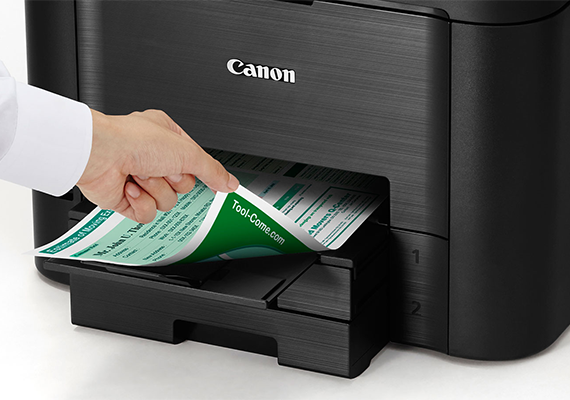
A business inkjet printer is probably ideal for most home photo printing. Inkjet printers tend to be the most convenient since they are relatively inexpensive, easy to use and fairly reliable. Their ink cartridges are also easy to change and you can as well use a variety of photo paper types with these handy devices.
And since most models can create fine art prints with high DPI, it has resulted for many photos on the market today to be inkjet printers. In short, you can never go wrong with the right business inkjet printer.
On the other hand, dye sublimation printers are only intended for the professional market. And they can be best in printing small, high quality color prints very quickly. Unluckily, dye sublimation printers offer less flexibility in paper types, paper finishes and paper sizes. Actually, most of the times home printers are usually limited to glossy paper prints in a small size.
Consider Print Resolution and High-quality Ink
Most photo printers typically use the term archival and this guarantees a print life of 50 to 100 years. If you decide to invest in a photo printer. you’ll want the prints you create to last quite a long time.
In fact, archival printing usually involves a long-lasting printing pigment-based ink system rather than coloring agents. That makes them last longer because more common coloring agents have a much shorter life span and reduced light resistance.
By choosing an archival pigment printer you have some peace of mind that your quality prints will stay beautiful for several years to come. Moreover, print resolution is also an important aspect and resolution is typically measured in DPI.