


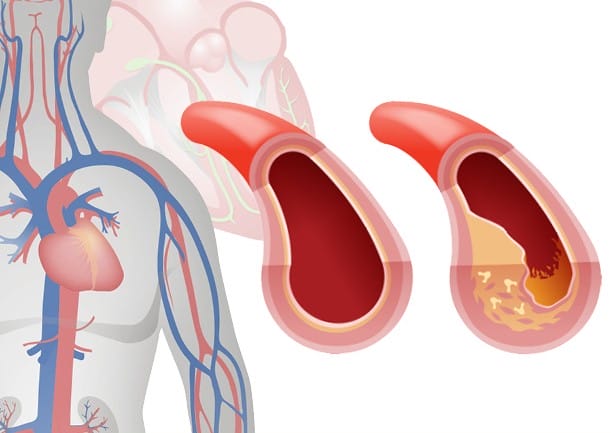
Arteries are vessels that carry oxygen-rich blood from the heart to every other part of your body. In most instances, your arteries will remain wide open, allowing blood to move quickly and freely to where it needs to go. But this ideal doesn’t last long for many people. After all, blockage in the arteries of the heart gets the most attention since they can lead to heart attacks.
Either way, you ought to keep in mind arteriosclerosis can strike anywhere. The symptoms of blocked arteries depend on where the blockage occurs and which body part is affected. With that said, today we will take you through some of the things you need to know about clogged arteries.
Symptoms of Clogged Arteries
You might not know this, clogged arteries are caused by atherosclerosis, which develops over time as plaques formed from fats, minerals, cholesterol, and more build up inside the walls of your arteries. This, in turn, causes the inner tunnels, called lumens, of the arteries to become smaller and narrower.
For this reason, the heart has to use more pressure to jump blood through smaller vessels. This increases blood pressure and puts strain on the pumping ability of the heart. Some of the most notable symptoms of blocked arteries include fatigue, dizziness, shortness of breath, and chest pain, to mention a few.
Diagnosis
Diagnosing arteriosclerosis may start with your primary care doctor. In the event that a blockage is suspected, you will most likely be referred to a cardiologist or vascular specialist. The medical practitioner you see depends a lot on where the blockage is and what problems it is causing.
In most cases, your diagnosis will begin with a physical exam, as well as a review of your personal and family medical history. Furthermore, testing may be done to pinpoint the location and degree of the blockage. The testing can include cardiac catheterization, ultrasound, or nuclear scans like MUGA.
In Conclusion
Now that you have insights into the symptoms of blocked arteries, you ought to keep in mind treatment should be done with a holistic approach. Your doctor will first address the problems that led to the clogged artery before providing medication to help you manage conditions that can cause clogged arteries. If by any chance you notice some symptoms of arteriosclerosis, it pays off to visit your doctor as soon as possible.