

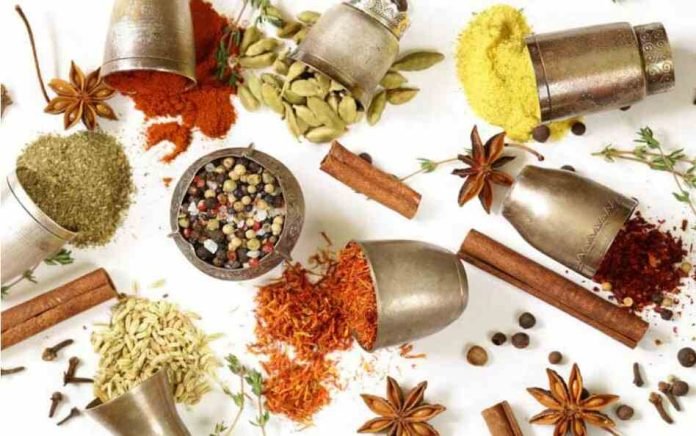


The monsoon season brings respite from the scorching summer heat but also ushers in a time of increased susceptibility to infections and diseases. The damp and humid conditions provide an ideal breeding ground for various pathogens like bacteria, viruses, and parasites, thus making it crucial to bolster our immune system. While adequate rest and a healthy diet are essential for strengthening immunity, certain foods can help speed up the process. Here are some of the best foods to boost immunity during monsoon that you can find in your kitchen:
Turmeric:
This golden spice is a natural antiseptic with antiviral, antifungal, antibacterial, and anti-inflammatory properties that help boost your immunity during the rainy season. Add turmeric to your meals or drink it as a milkshake to fight against common illnesses like colds, coughs, fever, and stomach infections. Turmeric has also been shown to increase the absorption of other nutrients like iron, calcium, and zinc, increasing their efficacy.
Lemons:
Vitamin C is known to boost immunity and fight against bacterial infections. To get the required vitamin C, include citrus fruits like oranges, amla, lemons, and grapefruits. You can also consume vitamin C supplements for an instant dose of the immunity-boosting nutrient.
Cucumber:
Rich in potassium, Vitamin A, and antioxidants, cucumber is an excellent food for boosting immunity during monsoon. It can be eaten as a salad or stuffed in a sandwich to reap its benefits. It is also a good source of dietary and soluble fiber that can help eliminate waste materials from the body.
Green leafy vegetables:
Leafy green veggies are an excellent source of vitamin A and are full of antioxidants. They contain beta-carotene, folates, and Vitamins B, C, and K that help boost your immunity during the monsoon. To benefit from these immunity-boosting vegetables, include greens in your diet, such as spinach, kale, and chard.
Including sea foods in your diet is also a good idea, but only in moderation. This is because the contaminated water from sewage often tends to contaminate marine life during the rainy season. Moreover, fried foods should be avoided as they can cause indigestion and diarrhea. Similarly, avoiding packaged and ready-to-eat foods can also help prevent food poisoning.