

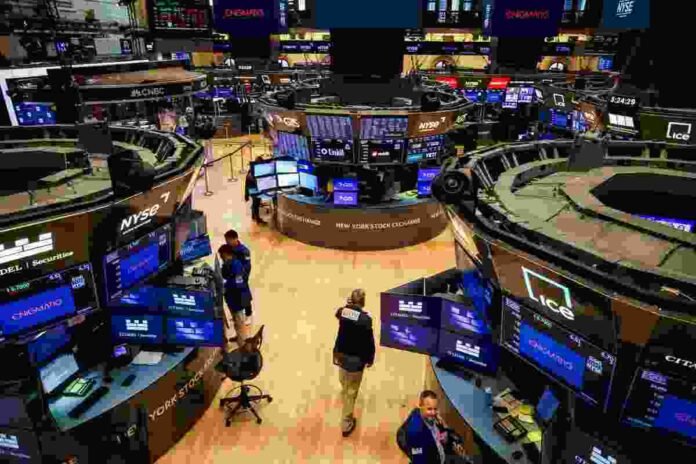


Wall Street’s biggest banks delivered one of their most profitable quarters in years during the first three months of 2026, with trading desks posting record revenues amid the chaos unleashed by the US-Iran conflict. As global markets swung wildly on news of naval blockades, oil price spikes, and fragile ceasefire talks, clients rushed to reposition portfolios, hedge risks, and bet on volatile moves across equities, fixed income, commodities, and currencies. The result was a trading bonanza that helped offset softer performance in other business lines and propelled several major lenders to strong overall earnings.
Major US banks including JPMorgan Chase, Goldman Sachs, Citigroup, Bank of America, and Morgan Stanley are on track to report a combined trading revenue haul exceeding $40 billion for Q1 — the highest figure since at least 2014. JPMorgan led the pack with a record $11.6 billion in markets revenue, up 20 percent year-over-year, driven by strong gains in both fixed income and equities trading. Goldman Sachs posted standout results in equities, with revenue jumping 27 percent to a record $5.33 billion, while its overall banking and markets division hit new highs.
The Iran war created the perfect storm for trading desks. Heightened geopolitical tensions sent oil prices soaring above $100 per barrel at times, triggered sharp swings in the VIX volatility index, and caused dramatic moves in currencies and emerging market assets. Clients, ranging from hedge funds to corporations, executed more frequent and larger trades as they navigated uncertainty around the Strait of Hormuz blockade and potential supply disruptions. This surge in activity translated directly into higher fees for market-making, prime brokerage, and derivatives execution.
Executives acknowledged the unusual boost. JPMorgan CEO Jamie Dimon highlighted the complex risks facing the global economy while noting robust client activity. Goldman Sachs CEO David Solomon pointed to the “Capital Markets Flywheel” that benefited from both volatility and a rebound in dealmaking. Investment banking fees also rose sharply at several firms, with Goldman reporting a 48 percent increase to $2.84 billion on the back of completed M&A transactions.
Yet the story was not uniformly positive. While trading floors celebrated, other divisions felt pressure. Net interest income guidance was trimmed at some banks due to shifting rate expectations and potential economic slowdown risks. Mortgage and wealth management segments showed signs of softness amid the uncertainty. Bank leaders warned that prolonged conflict could crimp loan growth, fuel inflation, and weigh on broader economic activity, potentially reversing some of the current tailwinds.
Analysts described the performance as classic volatility-driven gains rather than structural strength. Increased client trading volumes in equities alone delivered roughly $18 billion across the top banks — nearly double levels from a decade ago. Fixed income, currencies, and commodities desks also thrived on oil-related flows and interest rate volatility. However, many cautioned that such elevated revenues may prove temporary once tensions ease and markets stabilize.
The contrast was stark: while airlines grounded flights, refineries added surcharges, and global supply chains faced strain, trading desks turned turmoil into opportunity. The results underscore a familiar dynamic on Wall Street — periods of crisis often prove highly lucrative for those positioned to intermediate risk and facilitate transactions.
As earnings season continues, investors will scrutinize forward guidance closely. With peace talks showing tentative progress and the Hormuz situation still fluid, banks must balance celebrating record trading hauls against the longer-term risks of sustained geopolitical instability. For now, the message from Q1 is clear: in times of market chaos, Wall Street’s traders remain among the biggest beneficiaries, turning global headlines into historic profits.